.png)

GLP-1 medications have become one of the loudest conversations in health and fitness.
One person calls them life-changing. Another calls them cheating. Someone else is confidently explaining the science after watching two TikToks and reading half of a headline.
This article is not another debate about whether GLP-1s are good or bad.
It is for the person who is already taking one and asking a more practical question:
What should I be doing now?
A GLP-1 medication may be an effective part of your healthcare plan, but it does not automatically teach you how to nourish your body, preserve your strength or create a sustainable lifestyle.
You still need a plan.
GLP-1-based medications often decrease appetite and increase fullness. This can make it easier to consume fewer calories, but it can also make it harder to eat enough nutritious food.
That distinction matters.
A smaller appetite does not mean your body suddenly stops needing protein, vitamins, minerals, carbohydrates, fats and fluids.
When weight decreases, the body typically loses a combination of fat and lean tissue. Research on GLP-1 medications has produced a wide range of lean-mass-loss estimates, partly because studies use different medications, populations and measurement methods.
This does not mean everyone taking a GLP-1 is rapidly losing muscle.
It means preserving strength and function deserves attention.
When your appetite is low, prioritize foods that provide meaningful nutrition.
Protein is especially important because it supplies the amino acids your body uses to repair and maintain tissue. Research and clinical guidance frequently pair adequate protein intake with resistance training as the primary strategy for protecting muscle during weight loss.
Easy options may include:
The correct amount is individual. Someone managing diabetes, kidney disease, gastrointestinal symptoms or another medical condition may need personalized guidance from a registered dietitian or healthcare provider.
Carbohydrates and dietary fats also matter. They provide energy and support normal body functions. If your training feels significantly harder after starting medication, low food intake may be one contributing factor.
A small, tolerable meal or snack before exercise may help you train more effectively.
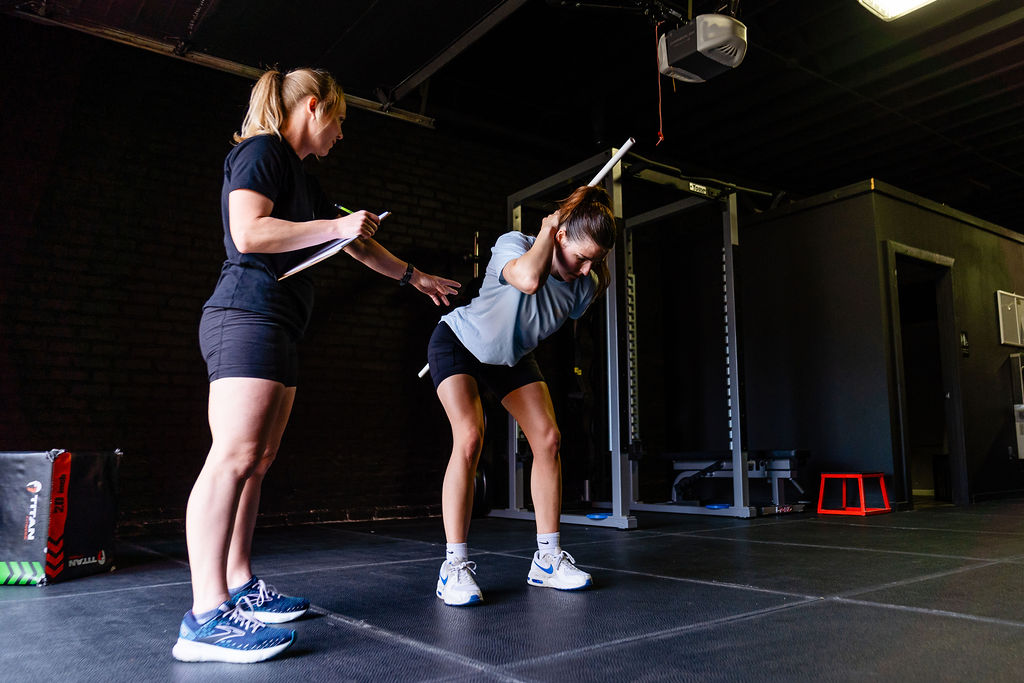
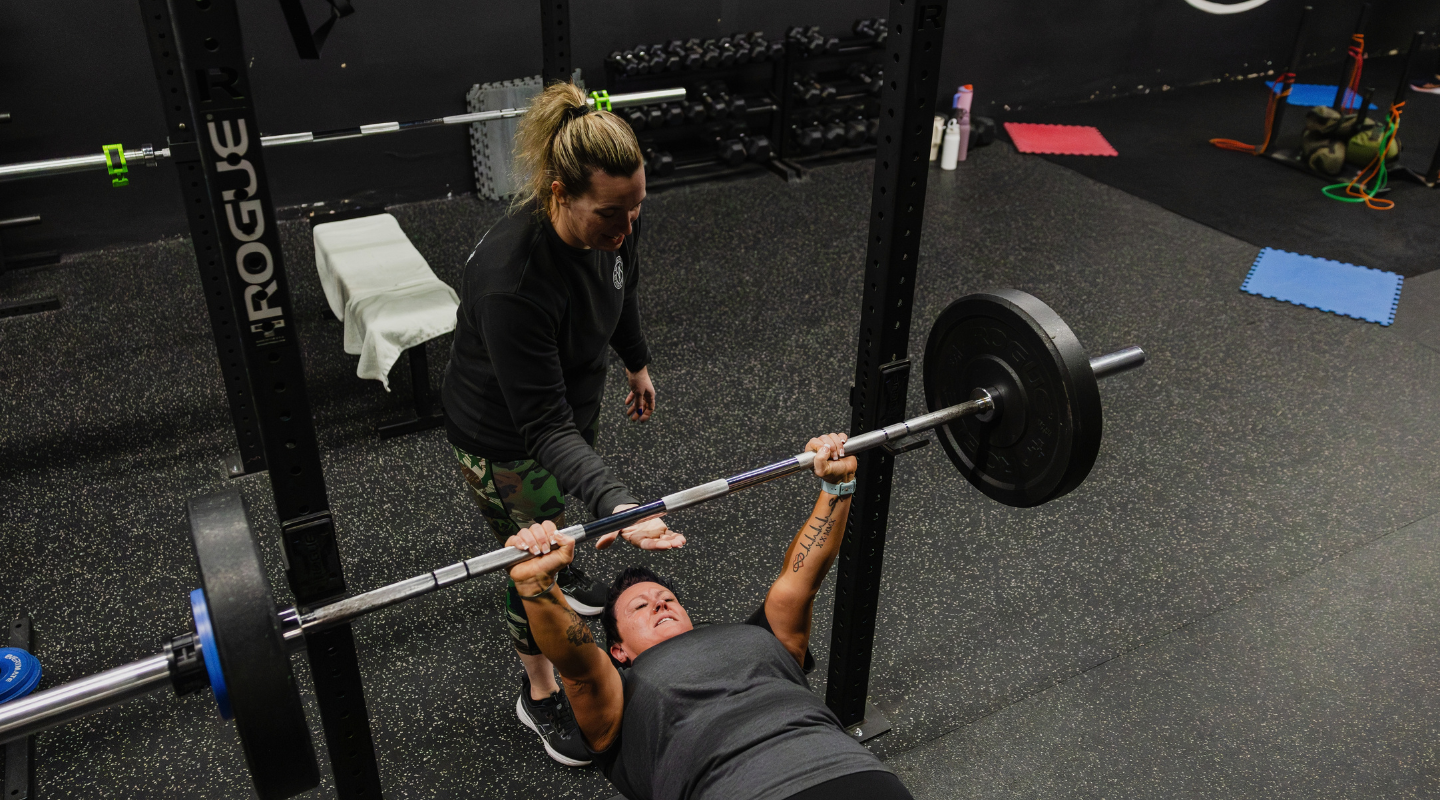
If you want your body to preserve muscle, you need to use it.
Resistance training provides a reason for your body to maintain strength and physical function. It can include machines, free weights, resistance bands or body-weight movements.
Your program does not need to be extreme.
It should include movements such as:
The goal is progressive challenge, not maximum suffering.
For beginners, consistency matters more than intensity. Learn the movements, begin with manageable loads and gradually increase the challenge.
Experienced exercisers may need to adjust their expectations if they are eating less or experiencing side effects. Temporarily reducing training volume, resting longer or fueling before exercise is not weakness. It is intelligent training.
Nausea, vomiting, diarrhea and constipation are among the gastrointestinal side effects associated with GLP-1 medications. Fluid loss or reduced intake may contribute to dehydration, and current FDA prescribing information includes warnings related to dehydration and kidney complications.
There is no perfect water formula for every person.
Hydration needs depend on your activity, environment, sweat rate, diet, medications and health history.
Drink consistently throughout the day and pay attention to how you feel. Contact your healthcare provider if you cannot keep fluids down, experience persistent vomiting or diarrhea, feel faint or notice other signs of significant dehydration.
Most adults need at least seven hours of sleep each night.
Sleep supports physical recovery, mood, decision-making and your ability to participate in healthy behaviors.
You cannot ask your body to handle hard training, reduced food intake, a demanding job and five hours of sleep indefinitely without consequences.
Sometimes the most powerful recovery strategy is not another product.
It is an earlier bedtime.
Your body experiences stress from many sources:
Stress is not automatically harmful. Your body is built to respond to challenges. Problems can arise when your overall demands constantly exceed your ability to recover.
Stress-management strategies do not have to be elaborate.
Walk outside. Read. Journal. Talk with someone. Sit quietly for ten minutes. Create periods of your day when you are not consuming information or completing another task.
Recovery is not laziness.
It is part of the program.
Do not stop or adjust a GLP-1 medication without speaking with your prescribing healthcare professional.
Some people use these medications long term. Others may stop because of side effects, cost, access or changing medical circumstances.
Weight regain after discontinuation is common in clinical research, particularly with newer medications that produce substantial weight loss.
That does not mean building habits is pointless.
It means habits are one part of a larger medical, behavioral and biological picture.
A thoughtful plan may include:
You are not failing if you need continued medication support.
You are also not required to remain on a medication that your clinician determines is no longer appropriate.
The decision is medical and individual—not a moral test.
The scale cannot tell you everything happening inside your body.
It cannot measure how strong you feel.
It cannot tell you whether you can climb stairs without getting winded, carry your groceries, get off the floor or remain independent later in life.
Losing weight may be part of improving your health, but it is not the entire definition of health.
While taking a GLP-1, focus on the things that build a stronger body:
Eat quality food.
Prioritize protein.
Lift weights.
Hydrate.
Sleep.
Recover.
The goal is not to become as small as possible.
The goal is to create a body and a life that allow you to keep showing up.
Watch the full podcast episode here.
• REXPERIENCE ALL
Prevail
HAS TO OFFER
• EXPERIENCE ALL
Prevail
HAS TO OFFER •
EXPERIENCE ALL
Prevail
HAS TO OFFER •
.png)
.png)
.png)
.png)
.png)
.png)
.png)
.png)
.png)
.jpg)
.jpg)

.jpg)
.jpg)
.jpg)