
You're putting in the work, showing up to the gym, and trying to do all the right things. But the results just aren't there.
Maybe your strength hasn't improved in months. Maybe your body looks the same despite your efforts. Or maybe your workouts have started to feel like you're just going through the motions.
If that sounds familiar, you might be experiencing a fitness plateau.
And here's the good news: a plateau doesn't necessarily mean you're doing something wrong. It may simply mean it's time to take a closer look at your routine and make a more intentional plan.
Let's talk about why plateaus happen and what you can do to start making progress again.
One of the most common reasons people feel stuck is that they're doing the same things over and over again.
They're using the same weights, completing the same workouts, moving their bodies about the same amount, and eating the same foods.
Consistency is important, but if your goal is to get stronger, build muscle, or change your body composition, your routine needs to support that goal.
Your body adapts to the demands you place on it. If those demands never change, your progress may eventually slow down.
The solution isn't necessarily to work harder or do more. It's to figure out what needs to change.
Start by asking yourself:
Before you change anything, you need to understand where you are.
Nutrition and overall movement can play an important role in your fitness progress.
If your goal is to change your body composition, improve your energy, or support your training, understanding your current habits is a good place to start.
One way to do that is by tracking your food.
Tracking can help you understand how much you're eating, how much protein you're getting, and whether your nutrition is supporting your goals.
But tracking doesn't automatically mean you need to eat less.
Depending on your situation, you might need to eat more, make different food choices, or adjust your overall intake.
The important thing is to use the information to make an educated decision rather than guessing.
The same goes for movement.
Look at your daily steps, walking, and cardio. Are those habits supporting your goal, or could they be affecting your recovery?
For example, if you're running frequently but your main goal is to get stronger, your training volume may need to be adjusted to help you recover between strength sessions.
More isn't always better.
The key is making sure your nutrition and movement support the outcome you're working toward.
This is one of the biggest pieces of the puzzle.
You can go to the gym consistently, complete your workouts, and still struggle to make progress if your strength training doesn't have a plan.
A workout that makes you tired isn't necessarily a workout that helps you get stronger.
If your goal is to build strength, you need to know what you're doing, how much work you're completing, and how you're going to progress over time.
That's where tracking your sets, reps, and weights becomes important.
When you have a structured strength training program, you can look back at your previous workouts and see what you've accomplished.
Maybe you lifted 20 pounds for 10 reps last week. This week, you might aim to complete 11 or 12 reps with good form, or gradually increase the weight when you're ready.
That's measurable progress.
And it gives you a clear direction for your next workout.
What is progressive overload?
Progressive overload is the gradual increase in the demands placed on your muscles over time. That might mean lifting more weight, completing more reps, increasing the amount of work you do, or improving your performance while maintaining good technique.
You don't need to lift heavier every single session. You do need a plan that helps you progress appropriately.
If your workouts are based entirely on time, it can be harder to track strength progress unless you're also recording your loads and performance.
Structure gives you a way to see where you've been and where you're going.
Sometimes, the problem isn't your workout plan.
It's the fact that you're not consistently following it.
And that's completely understandable.
Life gets busy. Work, kids, family responsibilities, and everything else can make it difficult to stick to a routine.
You might have every intention of working out four days a week, but you only make it twice.
You might plan to increase your weights, but you forget what you lifted last time.
You might have a nutrition goal, but your day gets away from you.
The truth is, having a plan and consistently following through on it are two different things.
That's where accountability can help.
Having a coach, training partner, or structured program can help you stay consistent, track your progress, and make adjustments when necessary.
It can also help you recognize when you're not putting in the effort your goal requires.
Getting stronger doesn't mean pushing yourself to exhaustion every day. It means showing up consistently and challenging yourself appropriately.
Once you understand your goal and where you're starting, you can make a change that actually supports your progress.
Here's a simple way to get started:
Step 1: Define your goal. Decide what you're trying to accomplish. Getting stronger, losing body fat, and improving endurance may require different approaches.
Step 2: Assess your current routine. Look at your workouts, nutrition, movement, and consistency.
Step 3: Build structure into your training. Track your sets, reps, weights, and performance so you can see whether you're progressing.
Step 4: Find a way to stay accountable. Choose a routine that works for your life and get support if you struggle to follow through.
Step 5: Make one intentional adjustment. Don't overhaul everything at once. Make a change based on what you've learned, then give yourself time to see how it works.
The goal isn't to do more just for the sake of doing more.
It's to do the right things consistently and make adjustments when necessary.
If you've been struggling to make progress on your own, structured strength training with a coach can help you put all of these pieces together.
At Prevail Gym in Moberly, Missouri, our small group strength training is designed to help you build strength through intentional programming, coaching, and measurable progress.
Instead of walking into the gym and guessing what you should do, you follow a structured plan.
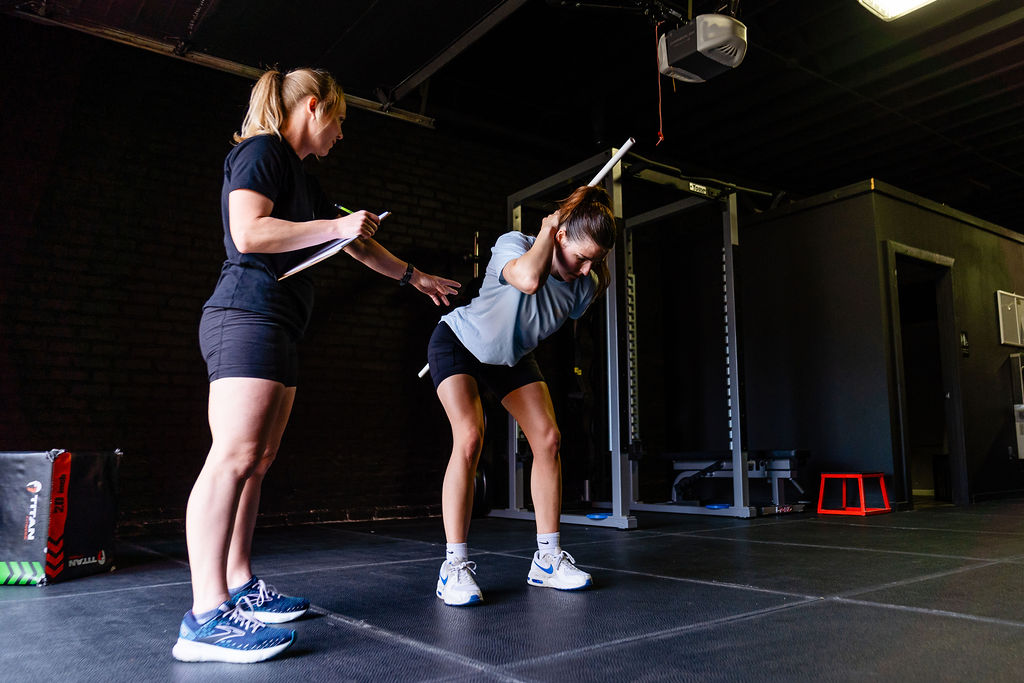
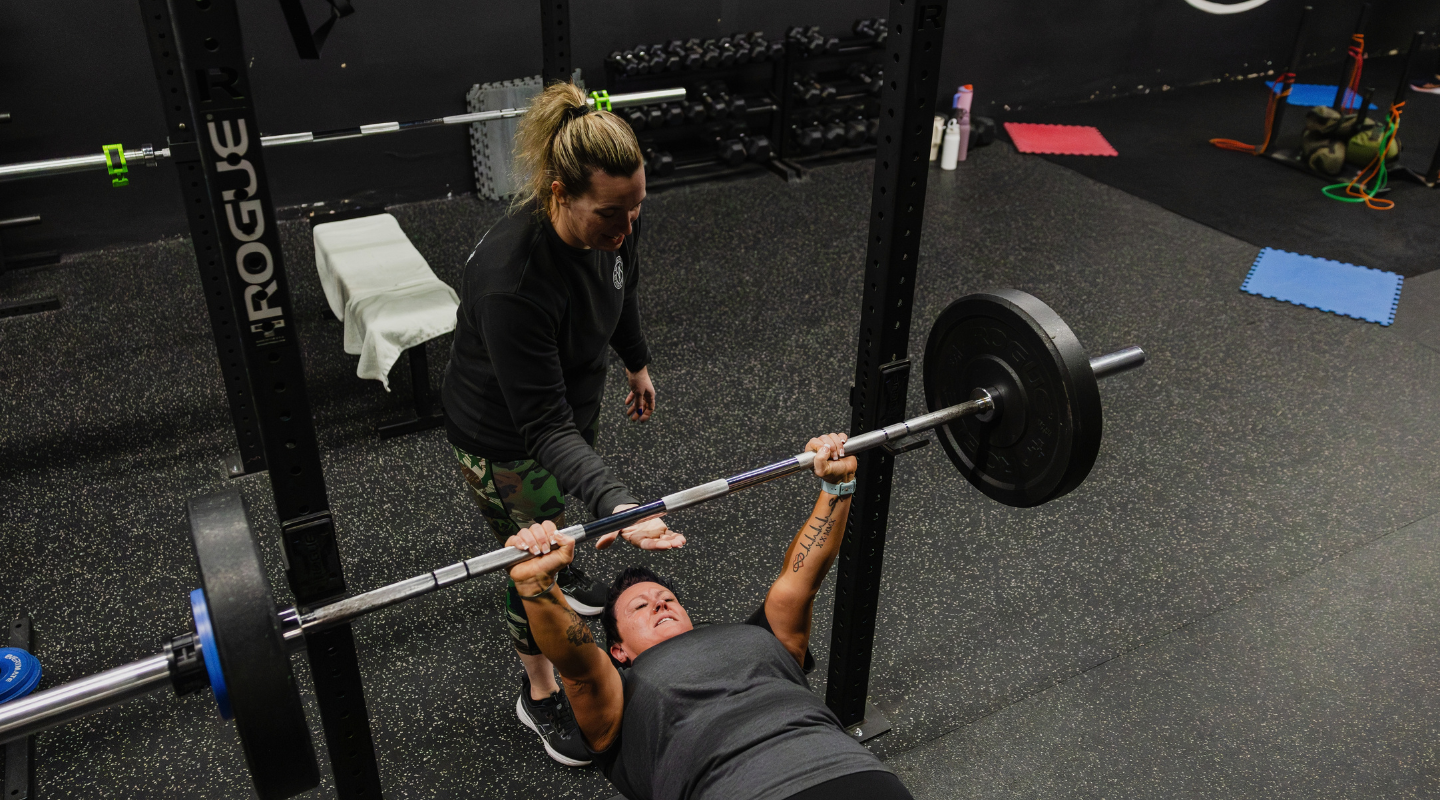
You have a coach who helps you work on your technique, track your progress, and challenge yourself appropriately.
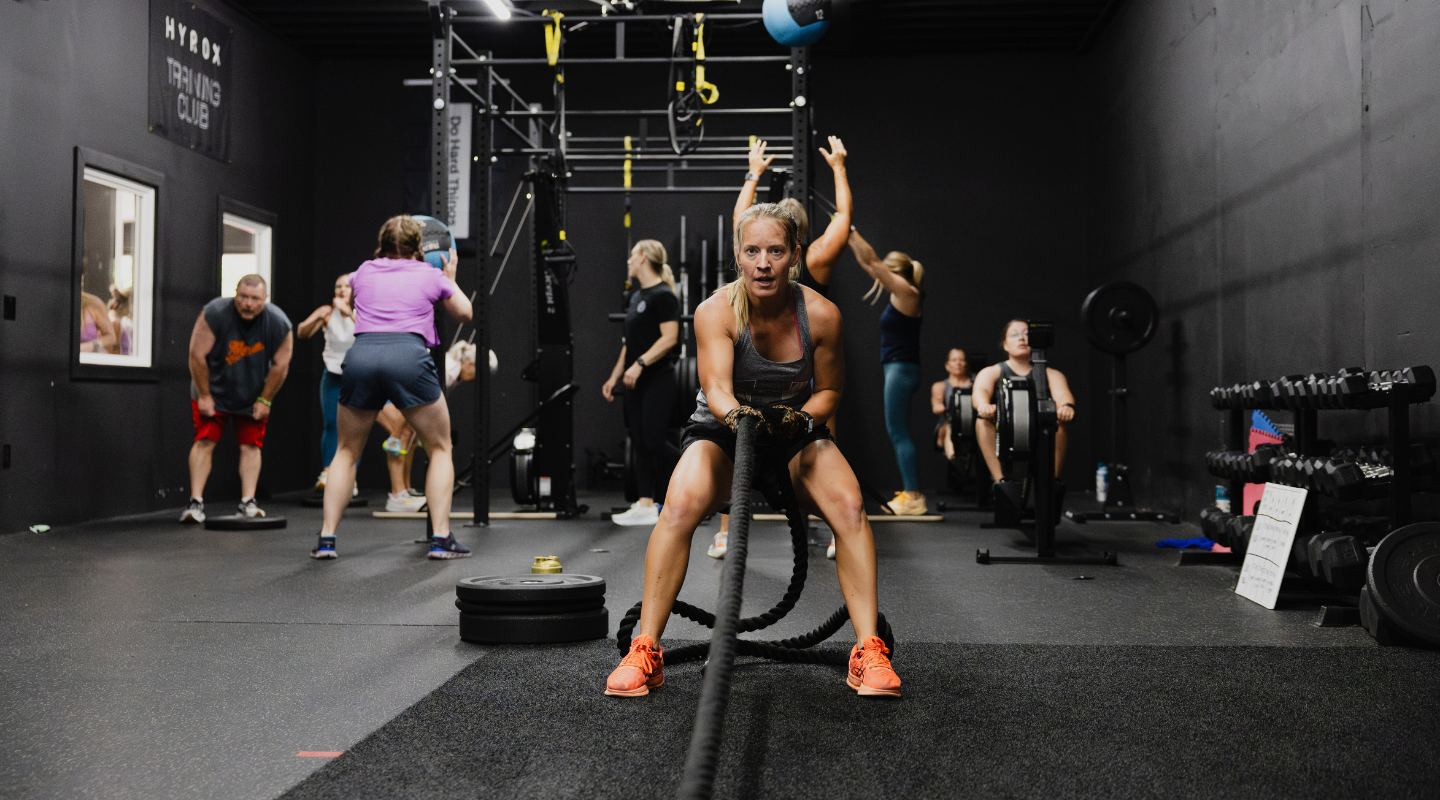
And you have the accountability of a small group of people working toward their own goals alongside you.
It's strength training with a purpose.
Because the goal isn't just to finish a workout.
It's to get stronger.
If you're ready to stop guessing and start making progress, we'd love to help you find your strength.
Ready to get started? Visit Prevail Gym in Moberly, Missouri, to learn more about our small group strength training.
Feeling stuck doesn't mean you've failed.
It might simply mean your current routine isn't giving you the results you're looking for.
Take a step back. Get clear on your goal. Look at what you're currently doing. Build structure into your training, stay consistent, and make intentional changes.
And remember, you don't have to figure everything out on your own.
Sometimes, the missing piece isn't more effort.
It's having a plan.
Find Your Strength. Transform Your Life.
Want to learn more? Watch the full podcast episode here on YouTube!
• REXPERIENCE ALL
Prevail
HAS TO OFFER
• EXPERIENCE ALL
Prevail
HAS TO OFFER •
EXPERIENCE ALL
Prevail
HAS TO OFFER •
.png)
.png)
.png)
.png)
.png)
.png)
.png)
.png)
.png)

.jpg)
.jpg)
.jpg)
.jpg)
.jpg)